
3/3/2026 ・ ~3 min read
Complete Pet Disaster Preparedness Guide | Emergency Evacuation Checklist
A comprehensive guide to preparing your pet for natural disasters. Includes emergency bag checklist, evacuation planning tips, and essential pre-disaster preparations.
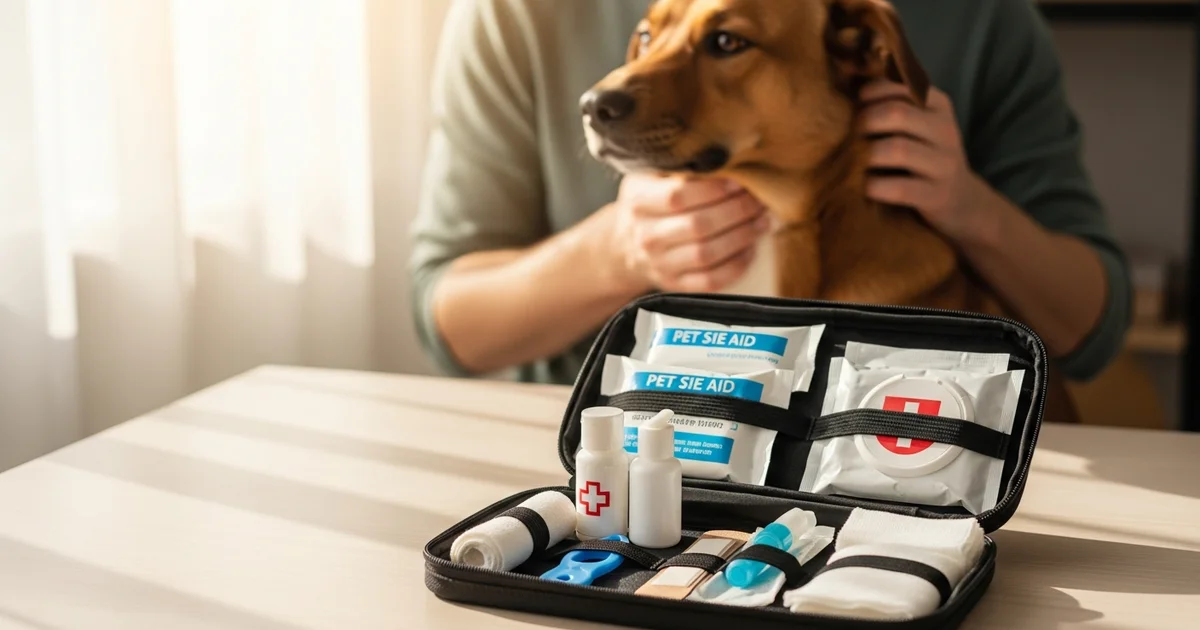
Disaster Preparedness Includes Your Pet
When disaster strikes, your pets need to be part of the plan. Many emergency management agencies now recommend evacuating with your pets rather than leaving them behind.
However, not all shelters accept animals, and conditions can be stressful for both pets and people. That’s why advance preparation is your pet’s best lifeline.
Emergency Bag Checklist
Top Priority (Life-Saving Items)
- Food and water (minimum 5-day supply)
- Regular medications (keep extra stock of prescriptions)
- Leash, harness, and collar with ID tags
- Carrier or crate
- Pee pads and waste bags
Important to Prepare
- Copy of vaccination records
- Health records (chronic conditions, allergies)
- Veterinary clinic contact information
- Recent photos of your pet (for identification if lost)
- Towels and blankets
- Favorite toy (for stress relief)
Nice to Have
- Microchip registration documents
- Collapsible water bowl
- Pet-safe wet wipes
- Duct tape (for crate repairs)
- Newspaper (multi-purpose)
5 Things to Do Before Disaster Strikes
1. Get Your Pet Microchipped
A microchip is the most reliable way to identify your pet if they get lost during an emergency. Unlike collars that can fall off, a microchip is permanent. Make sure your registration information is up to date.
2. Keep Vaccinations Current
Emergency shelters bring many animals together, increasing the risk of infectious disease. Ensure your pet’s core vaccinations are up to date.
3. Basic Training
Crate training is essential for shelter life. Get your pet comfortable being in a crate or carrier before an emergency happens.
For dogs, working on excessive barking is also important — shelters are shared spaces with many people.
4. Identify Pet-Friendly Shelters
Research which evacuation centers in your area accept pets. Check your local government website or disaster preparedness maps.
As a backup, identify pet-friendly hotels, or arrange with friends and family in other areas who could temporarily care for your pet.
5. Digitize Health Records
Paper records can be destroyed in floods or fires. Storing vaccination history, chronic conditions, medications, and allergy information digitally means you can access them anytime from your phone.
This also makes it much easier to communicate with a new veterinarian in an emergency.
During a Disaster
Watch for Stress Signs
- Loss of appetite
- Excessive trembling or vocalization
- Diarrhea or vomiting
- Aggressive behavior
- Hiding and refusing to come out
If you notice these signs, try to provide a quiet, secure space where your pet feels safe.
Prevent Cat Escapes
Cats are prone to bolting when panicked. Never open the carrier during transport. Also check that windows and doors are intact before letting your cat out of the carrier at your destination.
Vehicle Evacuation as an Option
If shelters don’t accept pets, staying in your vehicle is an alternative. However, be extremely careful about heatstroke and carbon monoxide poisoning. Manage engine use and ensure proper ventilation.
Editor’s Pick
- MOFF Pet Emergency Kit 10-Piece Set with 4-Way Bag — Essential disaster preparedness kit for pets
- IYOIYA Pet Emergency Kit 35-Piece Full Set — Comprehensive 35-piece emergency kit for pet owners
Related Articles
If you found this helpful, you may also want to read:
- Pet Emergency QR Cards: Be Prepared for Lost Pets, Disasters, and Medical Crises
- Foods Toxic to Dogs and Cats | What to Do If Your Pet Eats Something Dangerous
- Pet Medication Schedule Guide: How to Never Miss a Dose
Takeaway
Don’t think of disasters as “if” but “when.” Prepare accordingly.
Your pet can’t prepare for emergencies on their own. Your preparation directly determines their safety. Start today — even small steps make a big difference.